
Samsung Galaxy O is a 4.6 Inch Smartphone with Mid to High End Specs
Rixxan Z created a brand new Samsung concept phone
here, that features a bit of a mistake, if I may say so. As far as I
know, a device can’t feature a screen that’s both a TFT and Super
AMOLED. Of course, if you have extra info to deny or confirm that you
should post that in the comments section.
 Samsung Galaxy O is a 4.6 inch handset, probably with a Super AMOLED
display in the end and other specs include a microSD card slot, 8 GB of
storage, WiFi dual band, DLNA and Bluetooth 4.0. There’s also Android
4.2.2 Jelly Bean, running on a quad core 1.6 GHz Cortex A9 processor.
Samsung Galaxy O is a 4.6 inch handset, probably with a Super AMOLED
display in the end and other specs include a microSD card slot, 8 GB of
storage, WiFi dual band, DLNA and Bluetooth 4.0. There’s also Android
4.2.2 Jelly Bean, running on a quad core 1.6 GHz Cortex A9 processor.
The specs may seem a bit outdated and I can’t really tell where this model fits in the Samsung lineup. Maybe if they place a lower power Exynos CPU inside it, like the equivalent of a Snadpragon 200 or 400, it would work… Or maybe it’s a Snapdragon or MediaTek.
[Thanks Rixxan Z]

The specs may seem a bit outdated and I can’t really tell where this model fits in the Samsung lineup. Maybe if they place a lower power Exynos CPU inside it, like the equivalent of a Snadpragon 200 or 400, it would work… Or maybe it’s a Snapdragon or MediaTek.
[Thanks Rixxan Z]
Tag :
elektronik
New Microsoft Surface Phone Runs Windows 8 Pro
Created by Tomask621, the new Microsoft Surface Phone pictured here
runs Windows 8 Pro instead of Windows Phone 8. That may also explain why
it’s so bulky, since its hardware is probably on par with an ultrabook,
if you allow me to exaggerate a bit.
 Specs include a 5 inch 1366 x 768 pixel display, an Intel Atom dual
core x86 processor, 2 GB of RAM and a 3600 mAh battery. I can’t seem to
spot a Search button and Back button at the bottom, so I guess gestures
will have to do, I mean the Windows 8 ones. I’m also curious if we’ve
got a Desktop mode here or not, seeing how this is a phone and all.
Specs include a 5 inch 1366 x 768 pixel display, an Intel Atom dual
core x86 processor, 2 GB of RAM and a 3600 mAh battery. I can’t seem to
spot a Search button and Back button at the bottom, so I guess gestures
will have to do, I mean the Windows 8 ones. I’m also curious if we’ve
got a Desktop mode here or not, seeing how this is a phone and all.
Since this Microsoft Surface Phone is thick, the only hope of it not being too massive is having a lower weight. I aso think that the volume buttons on the right side are a bit exaggerated in size.
[Thanks Tomask621]
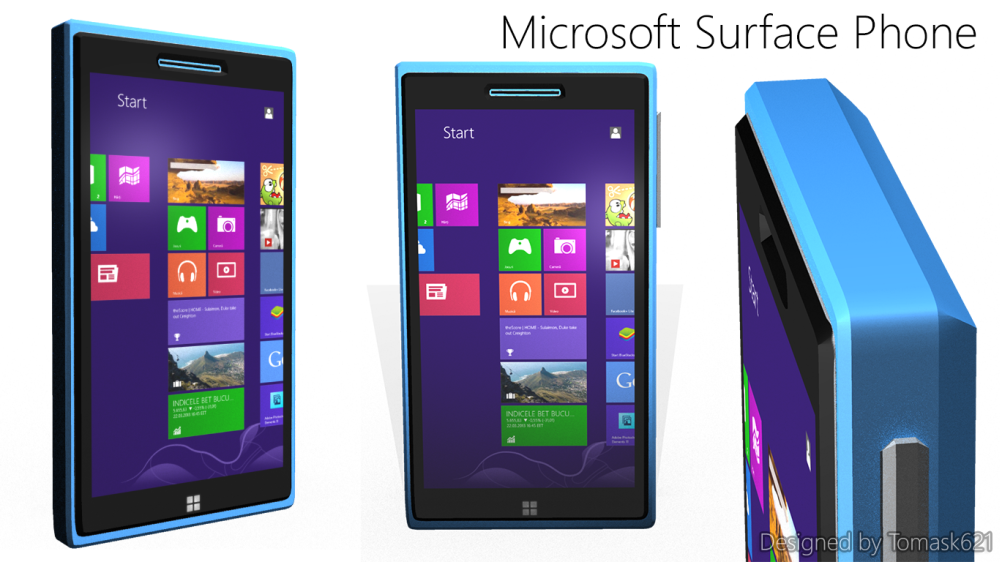
Since this Microsoft Surface Phone is thick, the only hope of it not being too massive is having a lower weight. I aso think that the volume buttons on the right side are a bit exaggerated in size.
[Thanks Tomask621]
Tag :
elektronik
EmoPulse Smile Smartphone Bracelet Looks Promising, is Almost Real
I have to admit that bracelet phones haven’t
appeared on our website for a long, long while, so we’re happy to have
stumbled upon the EmoPulse Smile model, shown below. This is a
smartphone you can wear on your wrist like a bracelet and it’s in
crowdfunding phase right now.
 The project was posted on Indiegogo and the device is supposed to be
able to read your mood, monitor what you eat and also check out your
health. The company EmoPulse is behind the bracelet phone, that can
serve as a virtual wallet and it comes with 4G connectivity, an OMAP 5
processor and 128/256 GB of flash storage. There’s USB 3.0 and
Thunderbolt as well, plus the product is said to be running on Linux.
The project was posted on Indiegogo and the device is supposed to be
able to read your mood, monitor what you eat and also check out your
health. The company EmoPulse is behind the bracelet phone, that can
serve as a virtual wallet and it comes with 4G connectivity, an OMAP 5
processor and 128/256 GB of flash storage. There’s USB 3.0 and
Thunderbolt as well, plus the product is said to be running on Linux.
You can preorder the Smile for $300, in the 128 GB version and you should know that this concept has 2 GB of RAM, WiFi, FM radio, GPS and the screen is a 2x FOLED unit. Other feats include wireless charging and 9 megapixel cameras. Do you think this product will ever make it to the market?
[via Emopulse]

You can preorder the Smile for $300, in the 128 GB version and you should know that this concept has 2 GB of RAM, WiFi, FM radio, GPS and the screen is a 2x FOLED unit. Other feats include wireless charging and 9 megapixel cameras. Do you think this product will ever make it to the market?


Tag :
elektronik
Nokia EOS Leaked Pictures Trigger Fresh Renders; Talk About a Huge Camera Module…
The scoop goes something like this: WPDang
leaked the Nokia EOS in a few shots, then came Vizileaks and
showed us a closeup of that beautiful camera module, that’s actually
pictured below.
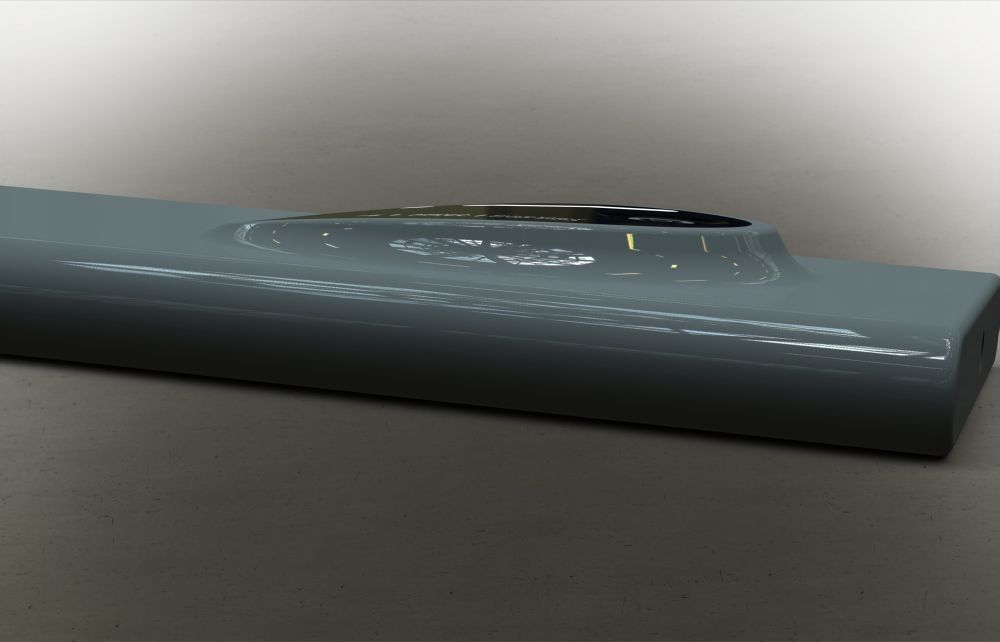
 And then came designer Edgar Mkrtchyan and imagined how the device
would look like and created the following renders below. To keep
everyone informed on the topic, we’re dealing here with the 41 megapixel
Pureview Nokia EOS Windows Phone handset with a Carl Zeiss lens and a
huge camera module. The design is also slightly different to the usual
Fabula approach, at least at the back.
And then came designer Edgar Mkrtchyan and imagined how the device
would look like and created the following renders below. To keep
everyone informed on the topic, we’re dealing here with the 41 megapixel
Pureview Nokia EOS Windows Phone handset with a Carl Zeiss lens and a
huge camera module. The design is also slightly different to the usual
Fabula approach, at least at the back.
This is the leaked phone:


This is the leaked phone:


The front remains the same and this model
seems much wider than any other Lumia I’ve seen. This has got to be the
biggest camera module I’ve ever seen on a phone and this requires great
processing power if you really want the resulting pics to look hot.
We’ve also got a Xenon flash and we’ve heard talks of Windows Phone 8
GDR 3 or Windows Phone Blue running on the device.
And here are Edgar’s concepts:

Tag :
elektronik
Sony Xperia UX Has a Triluminos Display, Midrange 2014 Specs
The Sony Xperia UX is a concept created by Ben Ling and its specs
sound like 2014 midrange material. The handset packs a 4.3 inch HD
screen with Triluminos display technology and this tech
was already spotted on a recent Sony Vaio Duo device unveiled at
Computex 2013.
 The Xperia UX uses Gorilla Glass 3 technology with shatter proof
abilities, a 13 megapixel camera with LED flash and HDR and also an
Exmors RS sensor for mobile. There’s dust and water proofing and the
back camera does 16x digital zoom. This Xperia concept
also incorporates a 2.2 MP front camera with HDR and 1080p capture, a
quad core Snapdragon 400 CPU and a removable battery.
The Xperia UX uses Gorilla Glass 3 technology with shatter proof
abilities, a 13 megapixel camera with LED flash and HDR and also an
Exmors RS sensor for mobile. There’s dust and water proofing and the
back camera does 16x digital zoom. This Xperia concept
also incorporates a 2.2 MP front camera with HDR and 1080p capture, a
quad core Snapdragon 400 CPU and a removable battery.
It has PlayStation certification, uses an Adreno 305 GPU and all of that is crammed inside a 7.5 mm thick shell. The phone weighs 125 grams, packs in 2 GB of RAM, 4G LTE connectivity and Android 4.2.2 Jelly Bean. We’ve also got Sony Mobile Bravia Engine 2 technology, glove input support, Sony White Magic technology, xLOUD experience and a Li-Ion 2500 mAh battery.
What do you think? Will MediaTek’s quad core CPU be a popular option for future midranges or the Snapdragon 400?
[Thanks Ben Ling]

It has PlayStation certification, uses an Adreno 305 GPU and all of that is crammed inside a 7.5 mm thick shell. The phone weighs 125 grams, packs in 2 GB of RAM, 4G LTE connectivity and Android 4.2.2 Jelly Bean. We’ve also got Sony Mobile Bravia Engine 2 technology, glove input support, Sony White Magic technology, xLOUD experience and a Li-Ion 2500 mAh battery.
What do you think? Will MediaTek’s quad core CPU be a popular option for future midranges or the Snapdragon 400?
[Thanks Ben Ling]
Tag :
elektronik

